Ecosystems
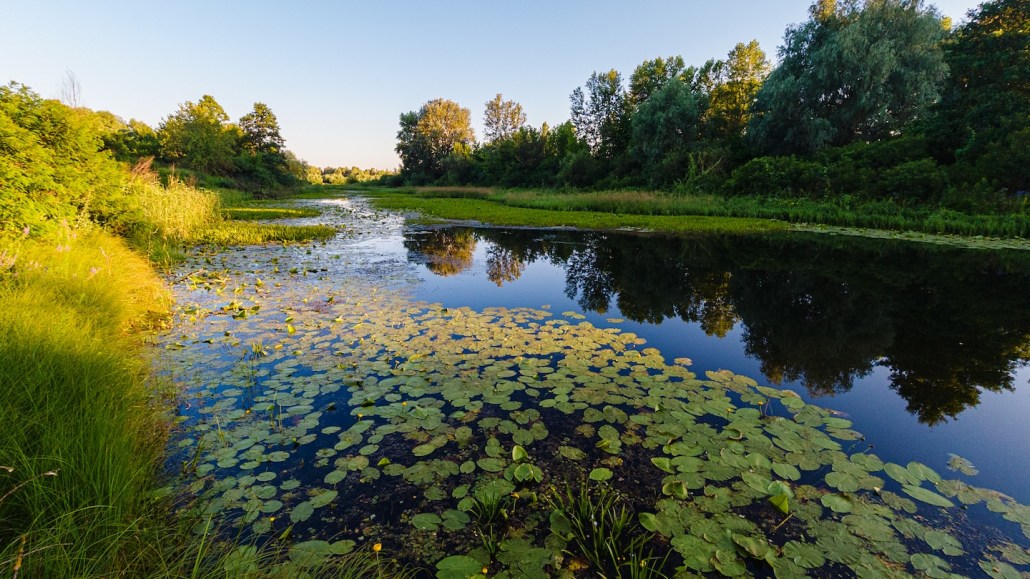
Let’s learn about wetlands
Just how wet these lands are varies a lot — from seasonally soaked to permanently flooded.
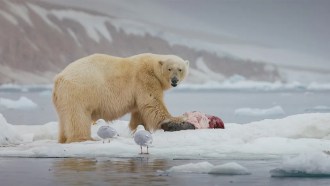
Some animals help fight climate change by boosting the amount of carbon dioxide that plants, algae and bacteria absorb from the atmosphere.
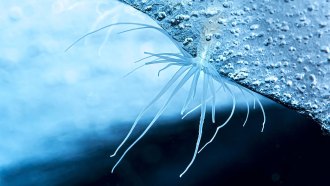
A vast swath of ocean surrounds Antarctica, hidden under the ice. Here, strange creatures burrow into the dark underbelly of a floating glacier.
For now, humans aren’t on the menu for carnivorous plants. But what would it take for one to consume a person?
The tiny plastic bits give these germs safe havens. That protection seems to increase as the plastic ages and breaks into ever smaller pieces.
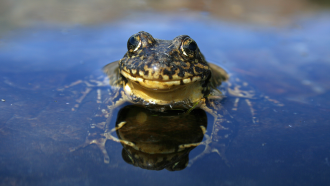
But the same thing is not happening throughout the kingdom. For instance, more than half of vertebrate populations are stable or increasing.
After an intense burn in 2018 in California, big cats in the region crossed roads more often. That put them at higher risk of becoming roadkill.
Long, thin bacteria that conduct electricity may be able to help clean up oil spills and reduce emissions of methane, a powerful greenhouse gas.
The global population hit this milestone on November 15, according to an estimate from the United Nations.
Parasitic worms eat blood and make people sick, but they may also help prevent or treat some diseases.