MS-LS4-1
Analyze and interpret data for patterns in the fossil record that document the existence, diversity, extinction, and change of life forms throughout the history of life on Earth under the assumption that natural laws operate today as in the past.
- Animals
A tiny microbe inspired this scientist’s big dreams
Marc Mapalo has discovered three species of tardigrades and studies fossils of these water bears to better understand how their bodies have changed over time.
- Animals
Ancient ‘ManBearPig’ mammal lived fast — and died young
Developing in the womb for a while — but being born ready to take on the world — may have helped post-dinosaur mammals rise to dominance.
- Animals
Warm feathers may have helped dinos survive mass Triassic die-off
Dinosaurs may have weathered freezing conditions about 202 million years ago, thanks to warm feathery coats.
- Archaeology
Bright-colored feathers may have topped pterosaurs’ heads
Fossil remains of a flying reptile hint that their vibrant crests may have originated 250 million years ago in a common ancestor with dinosaurs.
- Archaeology
Scientists Say: Denisovan
The Denisovans were a recently discovered population of ancient hominids.
- Animals
One of the earliest meat-eating mammals was saber-toothed
Millions of years before the evolution of saber-toothed cats, a newly discovered "hypercarnivore" prowled the forests of what is now San Diego.
- Animals
The end of the dinosaurs appears to have come in springtime
Fish fossils from North Dakota suggest when the Chicxulub asteroid devastated Earth, triggering the mass extinction of dinosaurs and other species.
- Archaeology
Our species may have reached Europe while Neandertals were there
Archaeological finds from an ancient French rock-shelter show periodic settlements by both populations, just not at the same time.
- Animals
Mysterious kunga is the oldest known human-bred hybrid animal
People bred these animals — part donkey, part wild ass — some 4,500 years ago, probably for use in fighting wars.
- Animals
Scientists discover the first true millipede
The newfound deep-living species tunnels belowground using a whopping 1,306 legs!
- Animals
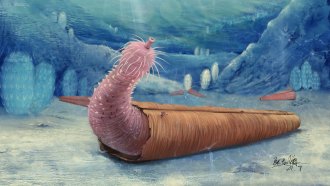
‘Penis worms’ could have been the original hermits
These soft-bodied critters lived in abandoned shells about 500 million years ago, a new study suggests.
- Animals
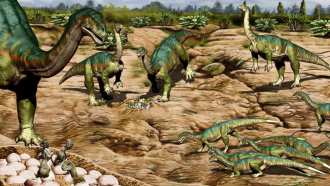
Fossils point to earliest dinosaurs that lived in herds
A fossilized family gathering of long-necked Mussaurus from 193 million years ago is the earliest evidence yet of herd behavior in dinos.