Waves and Their Applications in Technologies for Information Transfer
- Life
Award-winning micro-photos depict stunning details of nature
From fluorescent ferns to sprawling neurons, the 2025 Nikon Small World contest showcased the artistry of life as seen through a microscope.
- Physics
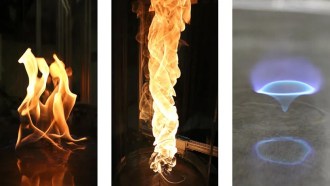
Scientists Say: Blue whirl
Four types of smaller flames create the perfect firestorm of elegantly efficient combustion.
- Physics
Scientists shrink 3-D printing so it can work inside cells
The new tech created barcodes, micro-lasers and a tiny elephant — all in living cells.
- Physics
This microphone picks up sounds by watching them
This microphone can “hear” by viewing the tiny vibrations made in everyday objects as sound waves strike them.
- Psychology
Listening to slightly different sounds in each ear may boost focus, teen finds
While “binaural beats” may boost attention, his research shows video game music is distracting.
- Space
Scientists caught a black hole ringing like a bell
Two black holes merged, creating a new, bigger one. This event triggered the clearest ripples in spacetime ever observed.
- Physics
Scientists Say: Infrasound
“Listening” for changes in these deep rumblings can allow scientists to predict earthquakes and other geological events.
- Animals
Birds of paradise have a newly discovered glow
Many male birds of paradise have bellies, bills and other parts that glow under certain types of light. This special gleam may help them woo mates.
- Physics
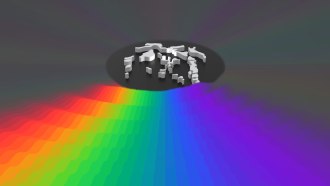
This device creates rainbows of sound
A plastic structure separates the pitches in mixed sounds like white noise, much like a rainbow spreads out colors of light.
- Physics
How polarized and UV-blocking sunglasses protect our eyes
Their filters can cut glare to help us see more clearly. The best ones also filter out the sun’s UV rays — even on cloudy days — to limit eye damage.
- Physics
Much of the sun’s light is green. Why does it look yellow?
Sunlight's peak intensity is at a green wavelength. Here’s why it doesn’t appear that way to us.
- Physics
Physics finally explains the sound of clapping
The “Helmholtz resonator” concept is responsible for the sound produced by hand-clapping.