Brain
- Brain
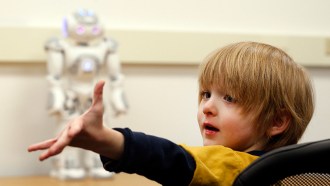
Understanding Autism
Genetics appears to play some role in this disorder, which affects more than one percent of all Americans.
- Brain
Getting a head start on autism
Early diagnosis followed by early treatment may reduce autism’s impact on kids — and help them to communicate better.
- Brain
Autism unlocked
Experts are learning how to diagnose this brain disorder in infancy. That may be early enough to allow nerve cells in the brain to develop new connections — ones that form detours around autism-affected areas.
- Brain
Mapping the brain’s highways
A new map may explain why some brain injuries are worse than others. Even relatively minor injuries that disrupt message superhighways may have a more devastating impact than some seemingly catastrophic injuries.
- Brain
Why boys face higher autism risk
Boys develop autism at four times the rate seen in girls. Girls’ genes are better protected from the mutations linked to this brain disorder, data now suggest.
- Brain
Video games can help some people read
People with dyslexia seem to get a boost from screen time.
- Brain
When Cupid’s arrow strikes
Scientists have begun dissecting what it means to be in love. They are finding that much of what we feel can be explained by the effects of a few key chemicals — and not just on our hearts and brains, but on our whole bodies.
- Brain
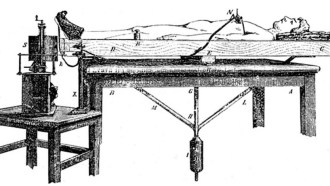
The weight of thought
Thinking heavy thoughts? Scientists have just put people on a balance and shown that the brain briefly gains blood — becoming a bit heavier — while concentrating.
- Brain
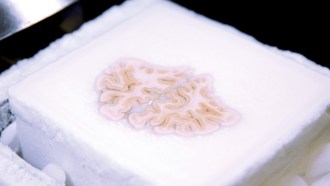
Memory lessons from a forgetful brain
Scientists have just begun probing the preserved tissue from “H.M.” Even five years after he died, this man’s brain continues to offer lessons on how people make — or fail to make — memories.
- Brain
Erasing memories
Electroconvulsive therapy is used to treat severe depression, but the electrical jolt it sends into the brain also may erase bad memories.
- Brain
Inheriting fear
Scared of something and don’t know why? Maybe your parents or grandparents passed along their fear to you, a new mouse study suggests.
- Brain
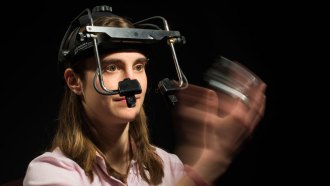
Seeing without light
Many people report seeing their own hands moving in the dark, a new study finds. In these people, brain areas responsible for motion appear to fool vision centers into seeing what they would have — if there had been enough light to do so.