Brain
- Brain
Scents may affect how appealing tobacco is
Menthol’s effects on the brain may make tobacco more addicting. In contrast, foul odors might help smokers quit. Two new studies show how.
- Brain
Magnets may make helmets safer
Magnets in sports helmets could repel players’ heads as they move toward a collision. This should reduce the risk of the hard hits that lead to concussions.
- Brain
ADHD linked to air pollutants
Air pollution from cars and industries can spew pollutants known as PAHs. A new study shows children have a greater risk of ADHD if their mothers inhaled a lot of PAHs while pregnant.
- Brain
Can soft drinks speed aging?
A new study suggests a reason why daily sugary-soda drinkers are more prone to disease: Guzzling these drinks shortens the protective caps on chromosomes. If the caps get too short, cells die.
- Brain
IQ is in the genes
Previous research that suggested parenting affects a child’s IQ is flawed, researchers now conclude.
- Brain
Strong body helps the mind
Study finds new link between the body and brain in mice and may help explain how exercise heals.
- Brain
Exercise builds brawn — and brains
One 20-minute session of leg exercises improved memory recall by about 10 percent.
- Brain
The distracted teenage brain
Teens often show poor judgment in decision-making. Scientists have long blamed this on the fact that their brains are still developing. A new study offers another explanation: distractions form rewarding behaviors — ones that persist even after the reward itself has disappeared.
- Brain
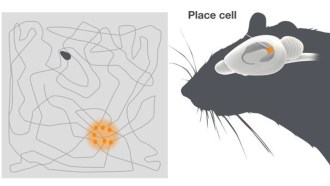
Nobel goes for finding brain’s ‘GPS’
The 2014 Nobel Prize in Physiology or Medicine has been awarded to scientists who discovered how the brain maps our place within our environment.
- Brain
Eating disorders: The brain’s foul trickery
Experts on eating disorders are probing why sometimes deadly chemical changes can distort how much the brain says we need to eat.
- Brain
Your sleeping brain is listening
Most people think that sleep is when the brain turns off to rest. But a new study finds that even as people get their zzz’s, their brains remain alert. At least they stay alert enough to sort information as though they were awake.
- Health & Medicine
You can be too thin
Eating disorders aren’t about vanity. They are mental illnesses that can prove deadly.