All Stories
- Agriculture
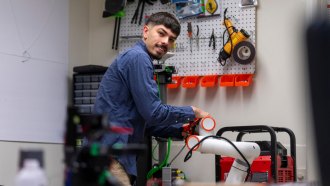
This engineer designed a device to make farm work easier
Juan Espinoza engineered a device to help ease physical demands on workers at citrus farms.
- Animals
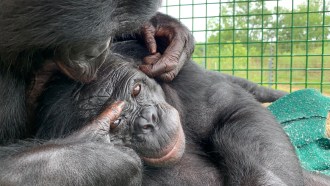
A bonobo’s imaginary tea party hints that apes can pretend
Kanzi would sometimes play with imaginary juice and grapes, just as humans might. The bonobo's ability challenges old ideas about how animals think.
- Space
Scientists Say: Bolide
It starts as a flash. Then comes the sonic boom. The boldest meteors often go out with a bang.
- Oceans
The sea surface covered by seaweed is now as big as South America
The first global mapping of macroalgae blooms in the ocean, last year, reveals rapid growth and a new record for the area seaweed blankets.
- Physics
Why do objects shatter the same way? Math solves the mystery
When objects shatter, the pieces come in many sizes. This simple theory now explains why the fragment size distribution is almost always the same.
- Ecosystems
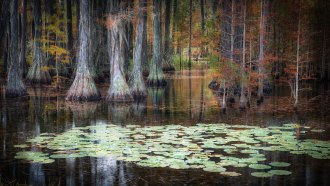
The Okefenokee’s dark waters hold secrets about climate and more
This Georgia peat swamp’s vast stores of carbon and water are under threat from mining and pollution. Scientists and locals are fighting to protect it.
- Science & Society
Volcanic ash might have helped spread the Black Death to Europe
A volcanic eruption might have triggered events that led Italy to import grain — food that arrived in ships infested with plague-infected rats.
- Health & Medicine
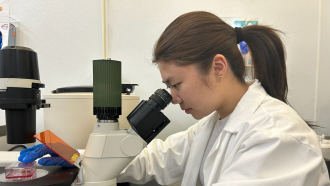
A new cell model could help kids and teens with arthritis
This model was built by a teenager with juvenile idiopathic arthritis — a poorly understood chronic illness.
- Animals
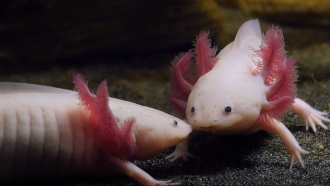
Let’s learn about animals that can regrow body parts
Animals that regenerate limbs, eyes and other body parts may hold clues to superhuman healing.
- Brain
Adolescence appears to last far longer than once thought
The brain undergoes “rewiring” throughout adolescence and doesn’t reach its adult architecture until our early 30s, suggests a new study.
- Physics
Scientists Say: Equilibrium
This steady state may look like a total standstill, but it’s actually an equal opposition of forces.
- Earth
Build your own seismograph with this science activity
By recording earthquakes, seismographs help scientists better understand and hopefully predict quakes.