All Stories
- Chemistry
Scientists Say: Absorb and Adsorb
These words sound and look a lot alike. But crucial differences lie in how they soak up that spill.
- Physics
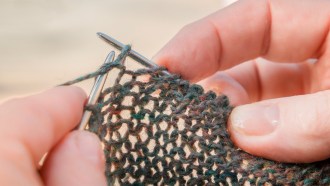
Friction is the key to cozy knits
Friction between loops of yarn give knit fabrics their ability to take on a variety of shapes.
- Chemistry
Some bacteria in wastewater can break down a common plastic
These microbes can break the carbon bonds that make PET plastics so hard to degrade. This type of plastic makes up almost one-third of plastic waste.
- Tech
Meet 5 types of robots with living body parts
Creature-machine mash-ups seem weird or even creepy. But biohybrids that make use of living tissue could be the future of robotics.
- Climate
2024 set new record for hottest year, passing a dangerous heat threshold
For the first year in recorded history, Earth’s average temperature topped 1.5 degrees Celsius above preindustrial levels.
- Plants
Microbes give plants a way to make ‘meaty’ nutrients
Enzymes from animals helped a test plant make two nutrients essential for a balanced diet. Normally, those nutrients would only be found in meat.
- Tech
High-speed lasers write data — to last millennia — inside glass
Project Silica is advancing a new way to store data — potentially forever. Some students plan to use this new media to send a message into space.
- Artificial Intelligence
Scientists Say: Large language model
Large language models, or LLMs, are language-processing systems that underpin advanced AI technologies such as ChatGPT.
- Computing
This computer scientist uses math to help people be treated fairly
Ariel Procaccia has designed computer algorithms that help split up credit on group projects, distribute donations, pick citizens’ assemblies and more.
- Health & Medicine
Can you really die of a broken heart?
Death by heartbreak doesn't just happen in stories. In real life, severe stress can cause takotsubo syndrome — a sometimes fatal heart problem.
- Animals
A surprising number of animals eat poop
A new tally finds more than 150 vertebrate species willing to snack on feces. Eating poop offers nutrients and other benefits.
- Tech
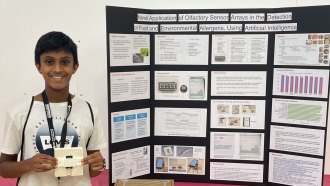
This teen engineer’s device sniffs out common food allergens
Inspired by his own severe food allergies, Thermo Fisher JIC finalist Samvith Mahadevan built a device to protect people from allergen exposure.