Engineering Design
- Artificial Intelligence
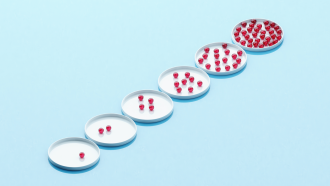
AI can now write working genetic instruction books from scratch
Two AI models designed these genomes for viruses that kill E. coli bacteria. They’re the first functioning full sets of DNA ever designed by machines.
- Tech
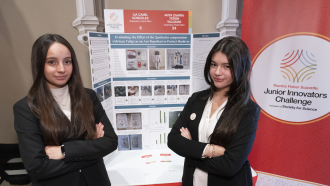
Origami folds let paper support 9,000 times its weight, teen finds
Miles Wu, 14, tested the strength of different ‘Miura-Ori’ origami folds and showed they might be useful in the design of pop-up emergency shelters.
- Science & Society
This game designer shares neurodivergent experiences through gaming
Inspired by her own experiences, Susannah Emery designs games that raise awareness about neurodivergence and social issues.
- Physics
Here’s how to levitate something without magic
Levitation may seem like fantasy. But all it takes is a little physics — and sound waves, magnetism or electricity.
-
- Physics
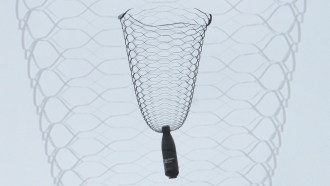
These parachutes unfurl thanks to Japanese paper-cutting techniques
Parachutes inspired by Japanese kirigami are full of holes. When dropped, they open automatically and fall more predictably than standard parachutes.
- Animals
Liquid from African tulip trees may protect honeybees from pests
Liquid from the African tulip tree may keep ant invaders out of hives without harming honeybees.
- Genetics
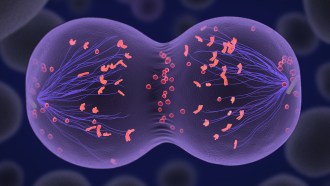
Scientists created human egg cells from skin cells
The technique could someday help people without reproductive cells of their own have children. But much more research is needed.
- Artificial Intelligence
5 things to remember when talking to a chatbot
When using ChatGPT or other chatbots, remember your voice matters and watch out for flattery and hallucinations. And for important advice, ask real people.
- Health & Medicine
A little shape-up helps these pimple patches get a grip
These zit patches use some innovative geometry to anchor onto skin. This solves one problem that’s hindered other uses of microneedles for drug delivery.
- Tech
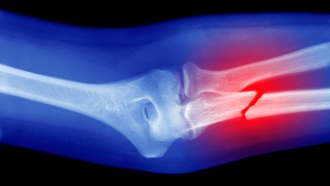
A modified glue gun squirts a material to help heal broken bones
The handheld printer might someday apply bone-repair patches directly onto fractures — complete with antibiotics to prevent infection.
- Earth
These ultra-long experiments outlive their scientists — on purpose
To study phenomena that unfold over decades or even centuries, scientists may launch projects they may never see finished.