Matter and Its Interactions
- Environment
Batteries not included: This Game Boy look-alike doesn’t need them
Game Boy revolutionized the gaming industry. A newer version could help slow the rate of climate change.
- Environment
Washing your jeans too much might pose risks to the environment
Jeans shed thousands of denim fibers in every wash. Those fibers, and the chemicals used to treat them, now are showing up in even the Arctic Ocean.
- Climate
Changing climates can take cooling tips from warm regions
When summer heat waves hit northern cities, people might look to keep cool using tropical building strategies — and forgotten architectural wisdom.
- Chemistry
Study acid-base chemistry with at-home volcanoes
Baking soda volcanoes are a fun demonstration, and with a few tweaks they can be an experiment, too
- Chemistry
How to recycle ‘nonrecyclable’ plastics
A new process can convert some nonrecyclable plastics into a type that now can be reused. That could greatly cut down on wastes sent to landfills.
- Physics
The exotic ‘atom’ positronium surprises scientists
New measurements of a weird but simple atom, one without a nucleus, suggest it may have unexpected properties. Scientists find this troubling.
- Chemistry
New solution for carbon dioxide: Turn it into ‘green’ fuel
Chemists have created a new way to convert carbon dioxide into ethanol. It might one day help remove excess CO2 — a greenhouse gas — from the air.
- Chemistry
Build ice towers with bottled water and ice
Pour out liquid water into a solid ice tower. We outline the conditions you’ll need to turn this demonstration into a super-cool experiment.
- Chemistry
Stinky success: Scientists identify the chemistry of B.O.
They turned up the enzyme in bacteria behind that underarm stench. Understanding how it works could pave the way to new types of deodorant.
- Materials Science
Will bacterial ‘wires’ one day power your phone?
An accidental discovery helps scientists generate electricity out of thin —but humid — air with bacteria-made protein nanowires.
- Physics
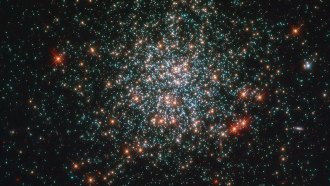
Explainer: Stars and their families
Most pinpoints that light the night sky are raging infernos we call stars. As adults, many will create new elements that they later cast off into the cosmos.
- Materials Science
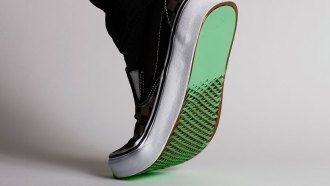
Shape-shifting cuts give shoes a better grip
With pop-out structures inspired by kirigami and animals, a shoe sole goes from flat to spiky to boost friction on slippery surfaces such as ice.