MS-ESS2-2
Construct an explanation based on evidence for how geoscience processes have changed Earth's surface at varying time and spatial scales.
- Earth
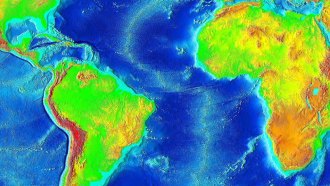
Rock rising from below the Atlantic may drive continents apart
Molten rock rising from the deep mantle at the Mid-Atlantic Ridge may drive plate tectonics there more than had been expected.
- Ecosystems
What you can do to improve soils
Soils are the life-sustaining structures under our feet. Here are some tips for keeping soils healthy. First rule of thumb: Give more than you take.
- Climate
Surprising long-haul dust and tar are melting high glaciers
Dust and tar blown onto high mountains, like the Himalayas, boost the melting of snow and ice far more than scientists had realized. Here’s why.
- Earth
Scientists Say: Earthquake
An earthquake is a sudden and sometimes violent shaking of the ground.
- Climate
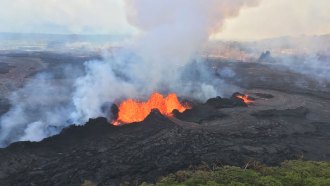
Did rain put the Kilauea volcano’s lava-making into overdrive?
Scientists share strongly conflicting opinions about why Hawaii’s Kilauea volcano spewed an overabundance of lava in 2018.
- Climate
Explainer: Why sea levels aren’t rising at the same rate globally
The ocean is rising all over the world. The rise seems speedier in some places. What gives? Many factors, it turns out, affect where — and why — the tide gets high.
- Chemistry
Asteroids may have delivered water to early Earth
Scientists shot mineral pellets at a simulated planet. It showed an impact wouldn’t have boiled off all of an asteroid’s water.
- Earth
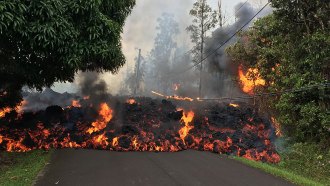
How long will Kilauea’s new eruption last?
A government volcano expert answers burning questions about the ongoing Kilauea eruption.
- Climate
Explainer: Winds and where they come from
Temperature and pressure are critical factors affecting why the wind blows where it does. Understanding the nature of wind can teach us a lot about weather.
- Earth
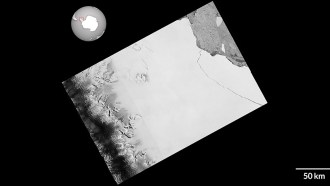
Antarctic ice shelf sheds Delaware-sized iceberg
Larsen C is a major ice shelf in Antarctica. An iceberg the size of Delaware has just splintered off of it in one of the largest calving events ever recorded.
- Climate
Cool Jobs: Bringing caves’ dark secrets to light
These three cave researchers study caves to learn more about climate, geology and organisms that can survive some of Earth’s most hostile environments.
- Chemistry
World’s deepest zoo harbors clues to extraterrestrial life
Scientists have found a wide range of life deep below Earth’s surface. The discoveries could help inform our search for life on other planets.