Animals
- Animals
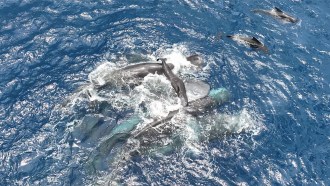
Watch the first sperm whale birth caught on video by scientists
The footage shows other sperm whales huddled around the mother, helping lift the newborn calf to the surface until it’s ready to swim.
- Animals
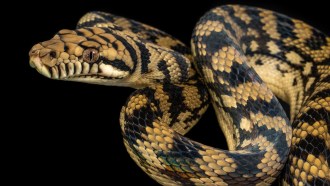
Physics explains how snakes climb and stand without limbs
Tree snakes can raise their body into the air without falling over. They keep their balance by bending their bodies close to their base.
- Animals
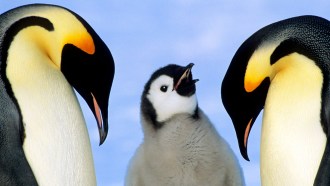
Emperor penguins are on the march — toward extinction
Along with Antarctic fur seals, these iconic birds, the largest of all penguins, are now endangered by their continent’s warming.
- Animals
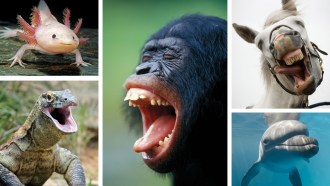
Animals can feel joy. Here’s how scientists might study it
Research has long focused on understanding negative emotions like fear in animals. Now they’re trying to measure positive feelings like joy. It’s a challenge.
- Animals
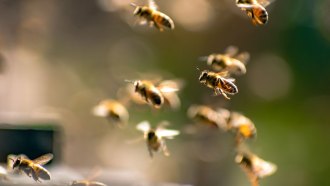
Analyze This: How many insects are in the air?
Weather data have helped estimate the density of flying insects in U.S. skies. That could help track climate change’s impact on insects.
- Animals
This tool-using cow stunned scientists with her smarts
Veronika the cow scratches hard-to-reach body parts using a brush. This feat is forcing scientists to rethink which animals can use tools.
- Animals
Flat-faced dogs often struggle to breathe easy
Pugs and bulldogs aren’t the only dogs with breathing problems. Pekingese, Japanese chins and other squish-faced breeds have this issue, too.
- Tech
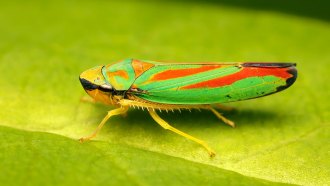
Backyard leafhoppers inspire next-generation cloaking tech
Engineers are borrowing this insect’s trick, an "invisibility cloak" of anti-reflective spheres. It could lead to new clean energy tech or military gear.
- Environment
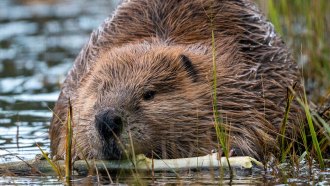
Human-built ‘beaver’ dams help save struggling streams
To help restore streams, ecologists and other scientists are taking tips from the rodents — and hoping some beavers also join in.
- Animals
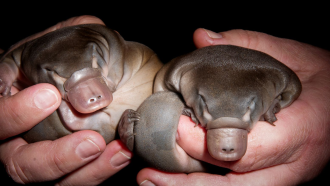
Let’s learn about the platypus
Every new discovery about platypuses reveals them to be even odder than we thought.
- Animals
Wind won’t keep hungry yellow jackets away from your picnic
Hungry yellow jackets are really good at tracking attractive odors. Even in windy and difficult conditions, they can find your barbecue.
- Fossils
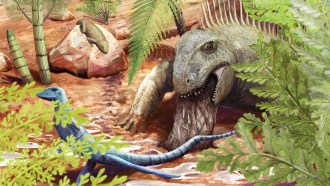
Fossil vomit shows what one 290-million-year-old predator dined on
Bones in the barfed-up material, which dates to a time before the dinosaurs, offer a rare peek into the diet of a prehistoric hunter.