Animals
- Animals
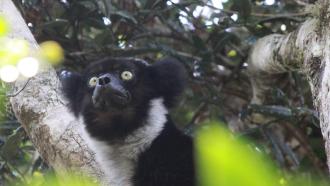
Singing lemurs sync up — until one goes solo
The indri lemurs of Madagascar sing in chorus to mark their territory. But young males sometimes solo, which may help them attract a mate.
- Animals
Snout goo may help sharks sense prey
Scientists may be one step closer to understanding how sharks sense their prey. Pores on their snout and face are lined with a gel that may help relay electrical currents created by prey’s movements.
- Animals
Leapin’ eels! Video shows they attack with zaps
When a predator threatens an electric eel from above, the animals leap up to deliver a shocking defense.
- Animals
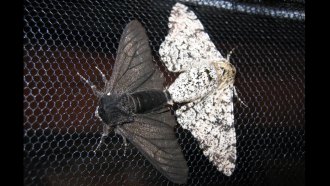
How a moth went to the dark side
Peppered moths and some butterflies are icons of evolution. Now scientists have found a gene responsible for making them so.
- Animals
The turning of wolves into dogs may have occurred twice
The process of turning wolves into dogs, called domestication, may have occurred twice — in the East and the West — ancient DNA suggest.
- Animals
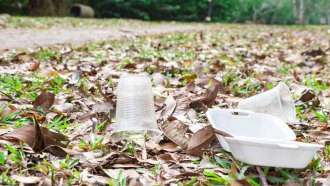
Teens use science to worm through plastic waste
Some beetle larvae can eat plastic, which might be good for our pollution problem. But which types eat the most can vary a lot, these young scientists find.
- Animals
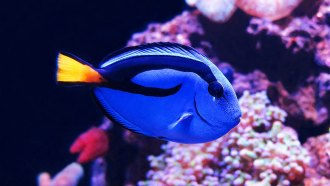
Catching ‘Dory’ fish can poison entire coral reef ecosystems
More than half of saltwater-aquarium fish sold in the United States may have been caught in the wild using cyanide, new data show.
- Animals
Why some frogs can survive killer fungal disease
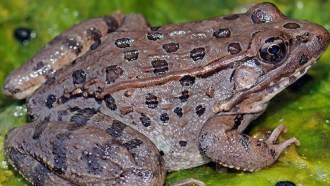
A disease is wiping out amphibian species around the globe. New research shows how some frogs develop immunity.
- Animals
Uh oh! Baby fish prefer plastic to real food
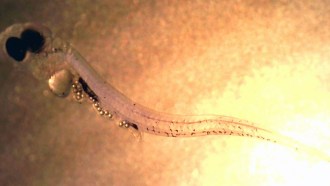
Given a choice, baby fish will eat plastic microbeads instead of real food. That plastic stunts their growth and makes them easier prey for predators.
- Animals
The shocking electric eel!
Electric eels are fascinating animals. Their powerful zaps can act like a radar system, trick fish into revealing their location and then freeze their prey’s movements.
- Animals
Eating toxic algae makes plankton speedy swimmers
After slurping up harmful algae, copepods swim fast and straight — making them easy prey for hungry predators.
- Animals
Common plant could help fight Zika virus
A teen discovered that extracts from leaves of the San Francisco plant (Codiaeum variegatum) kill larvae of the mosquito that helps spread the Zika and dengue fever viruses.