Animals
- Animals
Snot may be key to dolphins’ tracking of prey
Dolphins produce clicking noises that bounce off of prey, like sonar, showing where they are. Mucus in the animals’ nasal passages may make that ‘sonar’ work.
- Animals
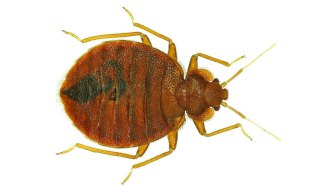
Bed bugs have favorite colors
Bed bugs change their color preferences as they get older. Adults like red and black, which may help the dark bugs avoid predators.
- Animals
Polar bears swim for days as sea ice retreats
Melting sea ice is forcing polar bears to swim long distances — up to nine days in one case. Such long treks may be more than the bears can handle.
- Animals
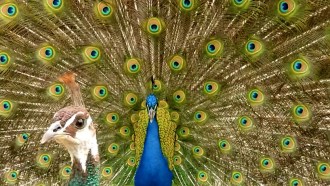
Male peacocks twerk it to bring in the hens
Scientists recorded peacocks with high-speed video cameras to learn the basic mechanics behind the shows they put on for peahens.
- Animals
Snakes go dark to soak in the sun
Snakes are paler in the South and darker in the North. The darker species absorb heat more quickly, a teen showed.
- Animals
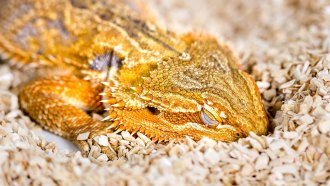
Dragons sleep like mammals and birds
Lizards seem to alternate between two sleep states, just as mammals and birds do. This finding could change our understanding of how sleep evolved.
- Animals
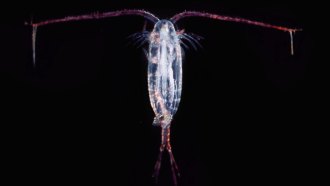
Scientists Say: Copepod
Copepods are tiny crustaceans. They eat phytoplankton and float in the water column, although some live in freshwater and on the sea floor.
- Animals
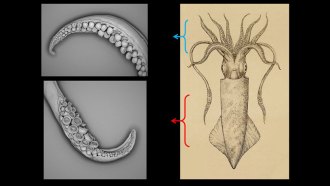
What medicine can learn from squid teeth
Scientists have identified what makes a squid's sucker teeth so strong. The findings may one day prove useful in medicine.
- Animals
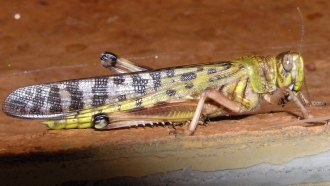
Insects can patch their broken ‘bones’
When insects suffer wounds, they can mend their ‘skeleton’ with a patch on the inside. This makes the leg strong again, new data show.
- Animals
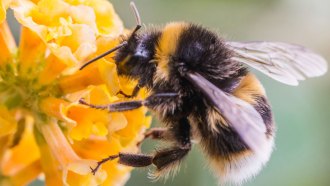
Pollen can become bee ‘junk food’ as CO2 rises
Increasing levels of the greenhouse gas are changing diminishing the food value of pollen, bees’ only source of protein.
- Animals
Spiders eat insects — and sometimes veggies
Plant-eating spiders have been found on every continent except Antarctica, a new study notes.
- Animals
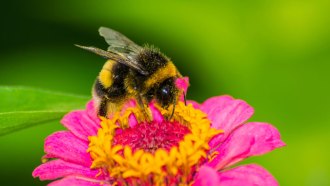
Less brilliant flowers still keep bees coming back
Bumblebees prefer petals that aren’t overly shimmery. This suggests plants are attuned to what insects see.