Health & Medicine
- Health & Medicine
Inked mice hint at how tattoos live on
Tattooed mice challenge our current understanding of how tattoos stay in humans.
- Health & Medicine
Obesity makes taste buds disappear — in mice, anyway
Mice that gained excessive weight on a high-fat diet also lost one in four taste buds.
- Health & Medicine
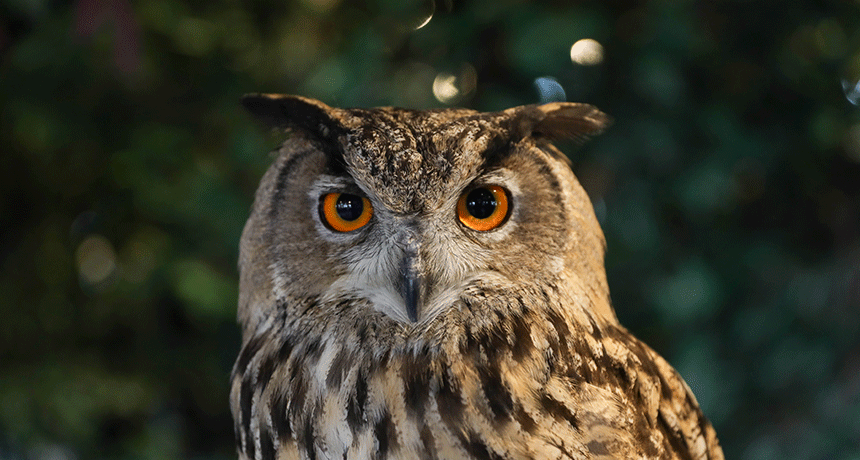
Scientists Say: Nocturnal and diurnal
Nocturnal animals are active at night. Diurnal animals live it up during the day.
- Earth
Dirty air can harm your brain and stress the body
New research shows that polluted air can mess with the bodies — including the brains — of even healthy kids and teens.
- Health & Medicine
2016 election stressed out some teens and young adults
Some teens and young adults felt stress, anxiety and fear during the 2016 election — no matter what political candidates they tended to prefer.
- Health & Medicine
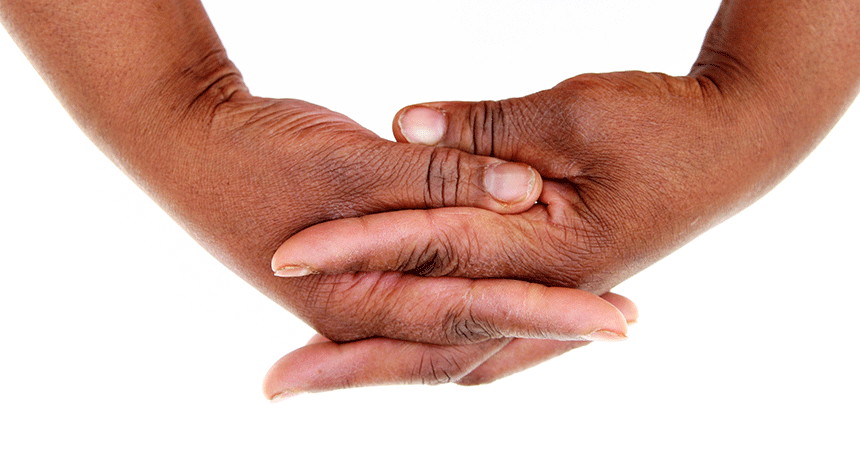
Scientists offer new explanation for knuckle-cracking
That annoying pop may come from the partial collapse of bubbles in the joint fluid.
- Computing
Computers mine online reviews for signs of food poisoning
Health officials are getting help in identifying restaurant goers who got food poisoning by teaching computers to scout social-media posts for signs of illness.
- Health & Medicine
Analyze This: The power in being understanding of your flaws
Expecting nothing but perfection from yourself can lead to depression. Forgiving yourself after mistakes can lower your risk of feeling bad, a new study finds.
- Animals
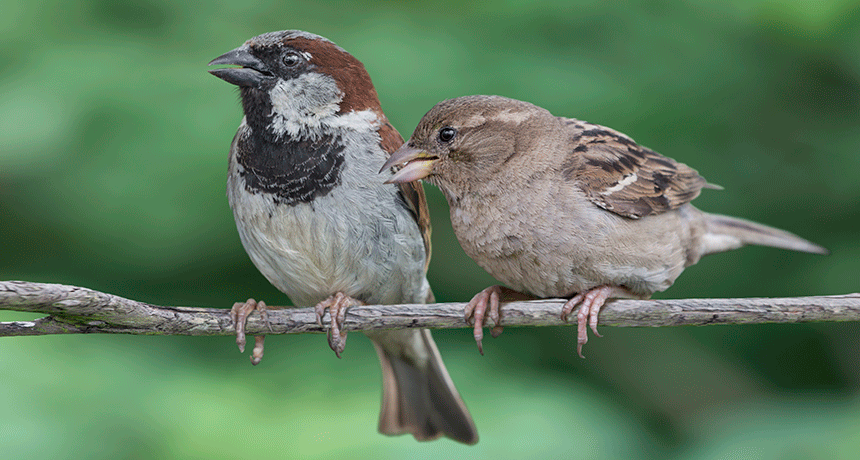
Light at night lengthens how long birds can spread West Nile virus
Light at night prolongs the time it takes these birds to knock out a West Nile infection. Mosquitoes that bite them during this time can pick up and spread their virus to others — even people.
- Animals
Compared to other primates, humans get little sleep
Short bouts of a sleep, called REM, separate humans from other primates, scientists find. Sleeping on the ground may have a lot to do with it.
- Health & Medicine
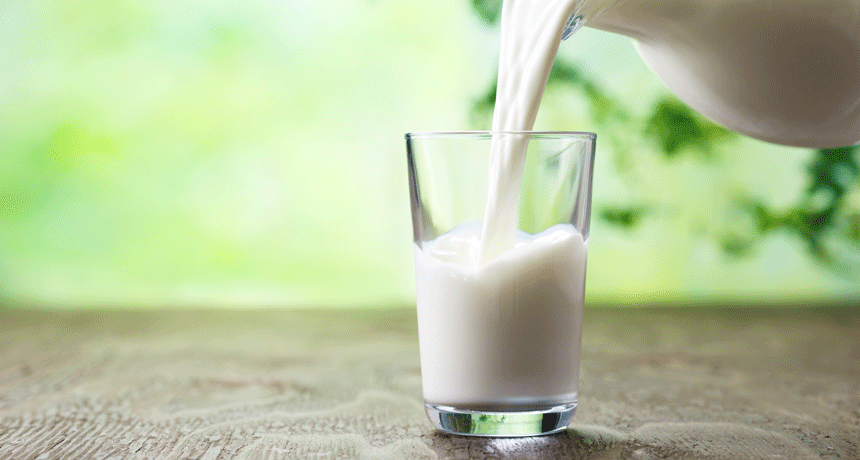
Scientists Say: Lactose
You might not think of dairy products having sugar, but they do. Milk is rich in a sugar called lactose.
- Brain
Bullying alters ‘bugs’ in the gut, hamster data show
A new study found that the microbes in a hamster’s gut changed in response to social stress.