Earth and Human Activity
- Environment
‘Mining’ cryptocurrencies pollutes the real world
Bitcoin and other cryptocurrencies exist only online. Yet the environmental impacts of their networks affect the real world.
- Environment
How we choose to pay has hidden costs for the planet
Whether cash or credit, phone apps or digital currencies — all forms of payment have behind-the-scenes costs. And these can vary dramatically.
- Animals
Bees and butterflies struggle to find flowers in polluted air
Emissions from cars and trucks make it harder for insects to find flowers. That in turn reduces flower visits and pollination, a new study finds.
- Earth
Widely used pesticides may threaten Earth’s ozone layer
Data show a major class of long-used “eco-friendly” copper chemicals unexpectedly react with soil, making gases harmful to Earth’s protective ozone layer.
- Climate
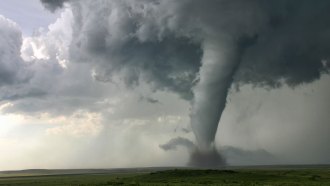
Let’s learn about tornadoes
Tornadoes are often spawned by thunderstorms — but can also emerge from hurricanes and wildfires.
- Earth
Scientists Say: Pollution
Pollution is any substance or form of energy released into the environment that is harmful to people or other living creatures.
- Chemistry
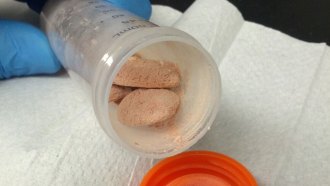
Clothes dryers may be a major source of airborne microplastics
Scientists thought washing machines were a leading contributor of microplastics. Now it appears dryers may be an even bigger problem.
- Climate
Let’s learn about the science of the Winter Olympics
From scientific innovations to climate change and weather, there’s plenty of science to be found among the feats of amazing athleticism.
- Animals
DNA in air can help ID unseen animals nearby
Analyzing these genetic residues in air offers a new way to study animals. It could give scientists a chance to monitor rare or hard to find animals.
- Climate
The ‘Doomsday’ glacier may soon trigger a dramatic sea-level rise
The ice shelf that had kept it in place could fail within five years. That would speed the glacier’s slip into the ocean, boosting a rise in sea levels.
- Ecosystems
Recycling a climate-warming gas could make ‘greener’ farmed fish
Instead of warming the climate, methane gas can be collected to help farmers. Along the way, it may also save some fish.
- Life
In blazing heat, some plants open leaf pores — and risk death
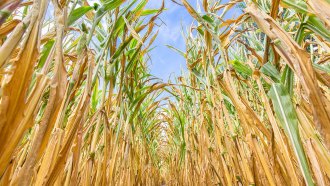
When heat waves and droughts collide, water is precious. Some thirsty plants try to cool off by opening tiny pores — only to lose water even faster.