Earth and Human Activity
- Health & Medicine
Deadly heat: Expected by century’s end, it’s here already
Instances of hot and humid conditions that threaten human lives are on the rise.
- Materials Science
Silk-based microneedles may help treat diseased plants
Engineers have invented silk microneedles to inject medicines into plants. One day farmers might use drones to dart their sick plants with meds from the air.
- Earth
Fossil fuels appear to release far more methane than we thought
Ice cores reveal less methane than expected. This suggests today’s fossil fuel industry is responsible for nearly all of the methane emissions from natural sources today.
- Environment
CO2 emissions have nosedived as COVID-19 keeps people home
The COVID-19 pandemic restricted travel that can pollute the air. By April, travel-related daily emissions of greenhouse gases was back to 2006 levels.
- Animals
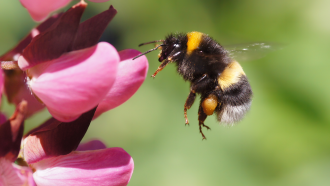
Pesticides can have long-term impact on bumblebee learning
Pesticide-laced nectar and pollen can permanently harm the brains of baby bumblebees.
- Climate
A rainforest once grew near the South Pole
A forest flourished within 1,000 kilometers of the South Pole. That was a while ago, as in millions of years ago.
- Environment
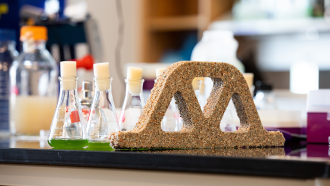
This ‘living’ concrete slurps up a greenhouse gas
Microbes help harden a mix of sand and gelatin into a living concrete that could interact with people and the environment in great new ways.
- Climate
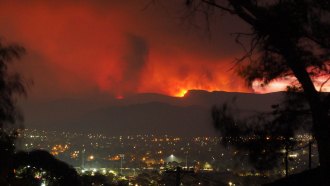
Climate change drove Australian wildfires to extremes
Australia’s devastating 2019–2020 wildfires were at least 30 percent more likely because of human-caused climate change.
- Climate
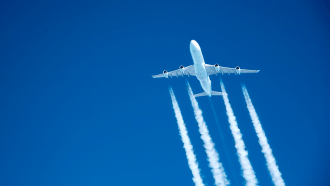
How to curb the climate heating by contrails
Contrails are narrow clouds left behind in the sky by jets. They add to climate change. But a new study suggests a way to curb their contribution.
- Environment
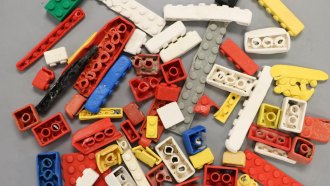
Legos could last a disturbingly long time in the ocean
By looking at toys washed up on beaches, scientists have estimated how long it takes hard plastics to break down in the oceans. And it’s a long time.
- Earth
Laundry tweaks can help clothes last longer and pollute less
Clothes washed in cooler water and for less time shed less dye and fewer fibers, a new study finds. That’s better for clothes — and the environment.
- Chemistry
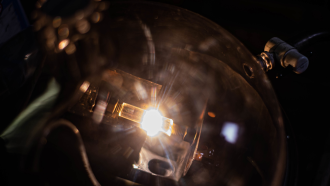
Converting trash to valuable graphene in a flash
Flash heating of carbon-rich wastes creates graphene, which has many commercial uses.