Engineering Design
- Materials Science
Laser light transformed plastic into tiny diamonds
The technique could be used to make nanodiamonds for quantum devices and other technology.
- Earth
One 2022 tsunami may have been as tall as the Statue of Liberty
A massive volcanic eruption in the South Pacific, earlier this year, appears to have triggered one tsunami that was initially 90 meters (nearly 300 feet) tall.
- Tech
Welcome to the metaverse
The idea of the metaverse comes from science fiction. But technology could make such immersive virtual worlds a reality.
- Chemistry
No sun? No prob! A new process might soon grow plants in the dark
Teamwork makes green-work! Collaborating scientists came up with an electrifying farming trick that could make sunlight optional.
- Chemistry
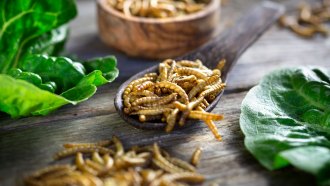
New meat-scented food flavoring comes from sugar — and mealworms
Insects could become a protein-rich part of the human diet. This new research aims to help people get past the ick of eating insects.
- Chemistry
Recipes for modern beauty products aren’t so modern after all
An art historian has combined forces with chemists to uncover the science behind cosmetics used about 500 years ago.
- Health & Medicine
New stick-on ‘sonar’ device lets you watch your own heart beat
This wearable patch might one day make personalized medicine affordable almost anywhere in the world.
- Chemistry
Cool Jobs: Scientific glassblowers shape science
Glass has played a major role in research for centuries. Today’s artisans work at the forefront of discovery.
- Animals
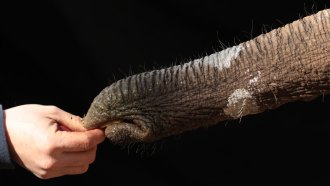
The top side of an elephant’s trunk is surprisingly stretchy
Research on elephant trunks could inspire new artificial skins for soft robots.
- Animals
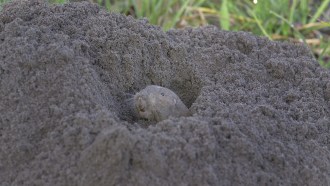
Gophers might be farmers, a controversial study suggests
Pocket gophers air out and fertilize the soil in a way that amounts to simple farming, two researchers claim. But not everyone agrees.
- Animals
Like an octopus, this glove lets fingers grip slippery objects
The octopus-inspired suckers on each fingertip grab and release objects on demand.
- Animals
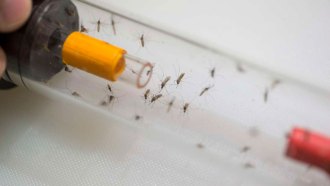
Sleepy mosquitoes prefer dozing over dining
Mosquitoes repeatedly shaken to prevent slumber lagged behind well-rested ones when offered a leg to feed on.