HS-PS1-2
Construct and revise an explanation for the outcome of a simple chemical reaction based on the outermost electron states of atoms, trends in the periodic table, and knowledge of the patterns of chemical properties.
- Chemistry
Scientists Say: Aerosol
Aerosols are tiny bits of solids or drops of liquids suspended in gas. Aerosols include mist, fog and soot, as well as pollution from fossil fuels.
- Chemistry
Explainer: Ions and radicals in our world
When atoms get an electric charge, they act very differently. Now called ions, these are behind many aspects of chemistry, including acids and batteries.
- Chemistry
Explainer: What is an electrode?
An electrode’s name depends on the circumstances. Confused? It may help to consider which electrochemical reaction is natural — and which is not.
- Physics
Scientists Say: Bond
In chemistry, this attachment between atoms forms because of the power of attraction. Chemical bonds make up every solid object on Earth.
- Planets
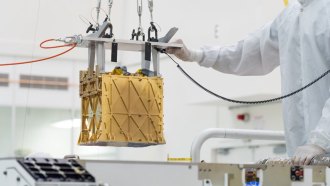
The Perseverance rover split CO2 on Mars to make breathable air
This oxygen-making experiment shows that astronauts could one day make air to breathe and to help fuel their ride back home.
- Chemistry
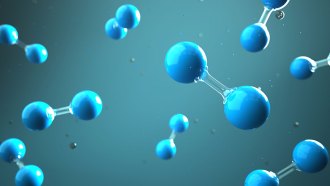
Explainer: What are chemical bonds?
When various particles, atoms, ions or molecules come together to form a substance, they are held together with chemical bonds.
- Chemistry
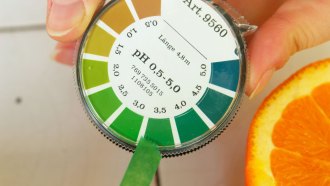
Let’s learn about acids and bases
Acids give away particles with positive charge. Bases accept positively charged particles. They are both critical for chemical reactions.
- Chemistry
A new catalyst turns greenhouse gas into jet fuel
The catalyst is an improvement over its predecessors. Made of cheap materials like iron, it produces jet fuel in a single step.
- Chemistry
Study acid-base chemistry with at-home volcanoes
Baking soda volcanoes are a fun demonstration, and with a few tweaks they can be an experiment, too
- Physics
The exotic ‘atom’ positronium surprises scientists
New measurements of a weird but simple atom, one without a nucleus, suggest it may have unexpected properties. Scientists find this troubling.
- Environment
Here’s one way to harvest water right out of the air
Need water but you have no access to rain, lakes or groundwater? Materials known as metal-organic frameworks could be used to slurp that water from the air, new data show.
- Chemistry
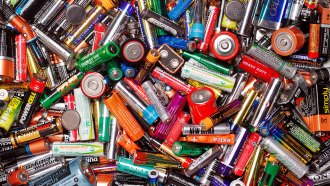
Batteries should not burst into flames
Because lithium-ion batteries power modern life, they need to store a lot of energy. Now scientists are focusing on making them safer.