HS-LS4-1
Communicate scientific information that common ancestry and biological evolution are supported by multiple lines of empirical evidence.
- Agriculture
Soil (and its inhabitants) by the numbers
Teeming with life, soils have more going on than most of us realize.
- Animals
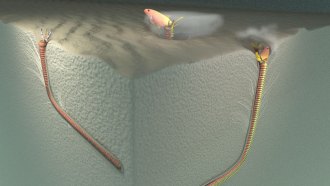
Giant worms may have hidden beneath the ancient seafloor to ambush prey
Twenty-million-year-old tunnels unearthed in Taiwan may have been home to creatures similar to today’s monstrous bobbit worms.
- Animals
Harsh Ice Age winters may have helped turn wolves into dogs
In the Ice Age, Arctic hunters may have turned to some game for their fatty bones. Much of those animals’ meat might have been left to domesticate dogs.
- Animals
Scientists Say: Medullary bone
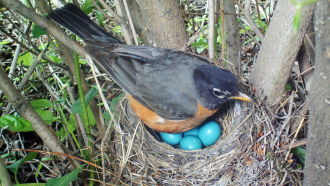
Medullary bone is a layer that forms inside bird and dinosaur bones. It’s a source of the calcium in eggshells.
- Archaeology
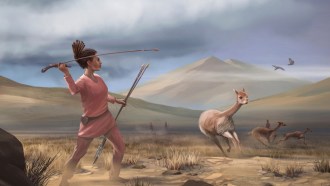
This prehistoric woman from Peru hunted big game
Women in the Americas speared large prey as early as 9,000 years ago, new archaeological evidence suggests.
- Animals
Scientists Say: Evolution
Evolution is how species change over time. Individuals in the group vary, and some will pass on their genes. Over time, the whole species changes.
- Animals
Attack of the inner-cannibal mega-shark
The outsized megalodon was a fierce terror that chewed its way across the oceans. It learned to kill even before it was born.
- Genetics
Some Neandertal genes may up the risk of severe COVID-19
Most of the affected people descend from communities in South Asia or live in Europe today.
- Animals
See what these animal mummies are keeping under wraps
A new method of 3-D scanning mummified animals reveals life and death details of a snake, a bird and a cat that lived in ancient Egypt.
- Chemistry
Stinky success: Scientists identify the chemistry of B.O.
They turned up the enzyme in bacteria behind that underarm stench. Understanding how it works could pave the way to new types of deodorant.
- Animals
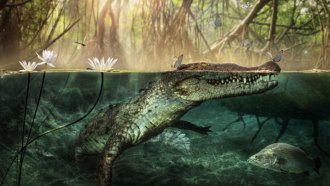
American crocs seem to descend from kin that crossed the Atlantic
A fossil hints that early crocodiles crossed over from Africa, millions of years ago, to colonize a new land.
- Archaeology
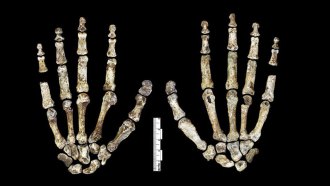
Let’s learn about early humans
Homo sapiens are the last member left of our genus. But many other species of early humans existed before us.